
Top Home Renovation Trends in Ontario for 2026
The trends actually shaping Ontario homes this year, what is driving each one, what it costs, and which are worth your money. Independent and data-backed, because we are not a contractor trying to sell you any of them.
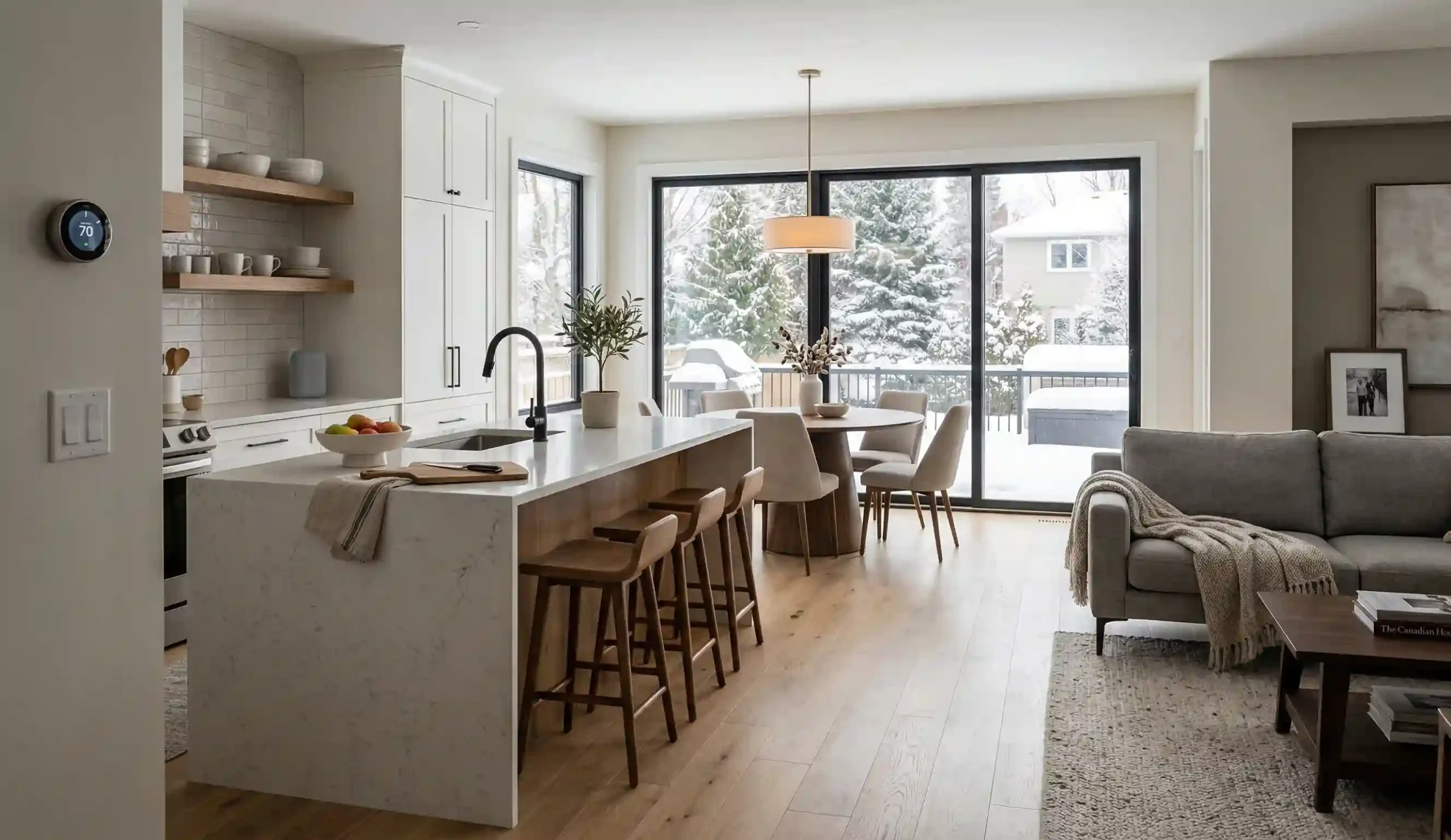
The headline trends are secondary and garden suites (now allowed as of right), energy retrofits backed by provincial rebates, and phased, high-return work over full guts. Style still matters, with warm minimalism, wellness bathrooms and social-hub kitchens leading, but the biggest moves this year are about value and income.
Every renovation company publishes a 2026 trends list, and they all say roughly the same thing: sustainability, smart home, open concept, spa bathrooms. That is fine as far as it goes, but it skips the part that actually matters, which is why these trends are happening in Ontario right now and whether they are worth your money.
RenoRevamp is an independent renovation resource for Greater Toronto Area homeowners. We do not sell renovations, so this is a straight read on what is trending, what is driving it, what it costs, and where we think the value is. For the full numbers behind any trend, see our home renovation cost guide and our GTA renovation pricing guide.
Key takeaways
- Ontario now allows up to three units on most residential lots as of right, making basement and garden suites the standout 2026 trend.
- Energy retrofits are surging because of provincial rebates worth $100 to over $12,000 through November 2026.
- With build costs still climbing, homeowners are favouring phased, high-return work over full gut renovations.
- Kitchens, bathrooms and a legal suite remain the strongest value upgrades.
- The cheapest real refresh is colour and materials: warm minimalism is replacing cold grey.
The 2026 trends at a glance
Here is the full list, what is driving each trend in Ontario specifically, and a realistic 2026 cost to plan around.
| Trend | What is driving it | Typical 2026 cost |
|---|---|---|
| Secondary and garden suites | As-of-right unit rules, rental income | $90,000 to $160,000+ |
| Energy-efficiency retrofits | Rebates to $12,000, utility costs | $2,000 to $18,000 / measure |
| Phased, high-return work | Rising construction costs | Varies by scope |
| Social-hub kitchens | Resale value, daily living | $30,000 to $90,000 |
| Wellness bathrooms | Comfort, climate | $20,000 to $38,000+ |
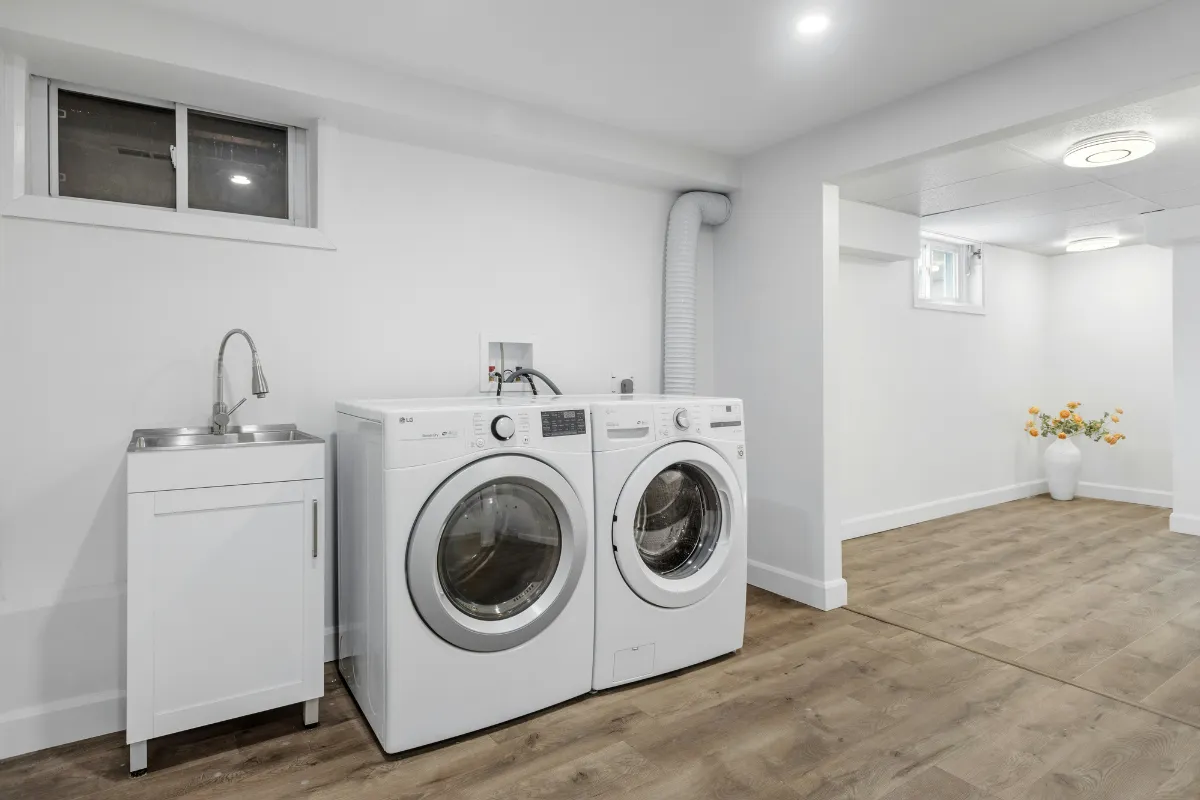
| Flexible basements | Hybrid work, space pressure | $35,000 to $90,000 |
| Warm minimalism and colour | Low-cost, high-impact refresh | $3,000 to $15,000 |
| Discreet smart and safety tech | Winter risk, energy management | $500 to $5,000 |
| Natural, durable materials | Longevity, indoor air quality | Built into other budgets |
| Four-season outdoor living | More usable space year-round | $250 to $450 / sq ft |
1.Secondary and garden suites go mainstream
This is the biggest real story in Ontario renovations this year, and most trend lists barely mention the reason. Under the province's More Homes Built Faster Act, homeowners can now add up to three residential units on most residential lots as of right, meaning without a zoning by-law amendment. That can be three units inside the main house, or two inside plus one in a separate structure such as a garden suite above a garage. These additional units are also exempt from development charges.
Put plainly, the rules that used to make a basement apartment or laneway suite slow and expensive have eased a lot. Combine that with high rents and multigenerational living, and a legal suite is the standout value move of 2026. A federal Multigenerational Home Renovation Tax Credit can also return 15 percent on up to $50,000 of cost when the suite is for a senior or an adult with a disability.
Our take: if your lot and budget allow it, this is the renovation with the best long-term return, because it adds rentable space and ongoing income, not just resale value. A legal basement suite runs roughly $90,000 to $160,000 or more in the GTA. See the full breakdown in our basement renovation cost guide.
Source: Government of Ontario, More Homes Built Faster.
2.Energy retrofits, backed by real rebates
Every list names energy efficiency. What they leave out is that Ontario is paying for a good chunk of it. The Home Renovation Savings Program, delivered by Save on Energy with provincial support, offers rebates from $100 to over $12,000 for insulation, air sealing, windows and doors, and heat pumps, and it is confirmed through November 2026. That, plus rising utility costs and colder-climate performance, is what is actually pushing heat pumps, tri-pane windows and better insulation to the top of the list.
Our take: this is the rare trend where the rebates do real work, so it is worth doing well. A cold-climate heat pump runs roughly $6,000 to $18,000 installed, insulation and air sealing $2,000 to $8,000. Book the required pre-retrofit assessment before you start any eligible work, or the rebate can be denied.
Source: Save on Energy, Home Renovation Savings Program.
3.Phased, high-return work over full guts
The rip-it-all-out renovation is quietly going out of style, and the reason is cost. Statistics Canada reported residential construction costs up about 3 percent year over year through 2025, on top of the steep increases of recent years. With budgets under pressure, Ontario homeowners are spreading work across phases and putting money into the rooms that return the most first.
Our take: this is a smart shift. Decide your full plan up front so the phases connect, then start with the kitchen, a bathroom or a suite. Our home renovation cost guide shows how the whole-home number breaks down room by room so you can sequence it.
Source: Statistics Canada, Building Construction Price Index, Q4 2025.
Wondering what your project will cost?
Our free estimator gives a realistic GTA range in seconds, then connects you with vetted local pros if you want exact quotes.
4.Kitchens as the social hub
Kitchens stay at the centre of both daily life and resale value. The 2026 look leans into oversized islands, panel-ready and integrated appliances, generous hidden storage, and durable surfaces like quartz and natural stone, often with warm wood paired against matte black or brushed brass. The underlying driver has not changed: a well-planned kitchen returns roughly 75 to 100 percent of its cost at resale, among the best of any renovation.
Our take: spend on layout and storage before finishes, because that is what you feel every day and what buyers notice. A GTA kitchen runs about $30,000 to $90,000. The drivers and trade-offs are in our kitchen renovation cost guide.
Return figures reflect Appraisal Institute of Canada guidance.
5.Wellness bathrooms, built for our climate
The spa bathroom is on every list, and the popular features are real: curbless walk-in showers, heated floors, freestanding tubs and layered lighting. In Ontario, though, the upgrades that matter most are the ones you do not see. In a cold climate where homes are sealed tight for months, proper ventilation and waterproofing are what keep a beautiful bathroom from growing mould behind the tile.
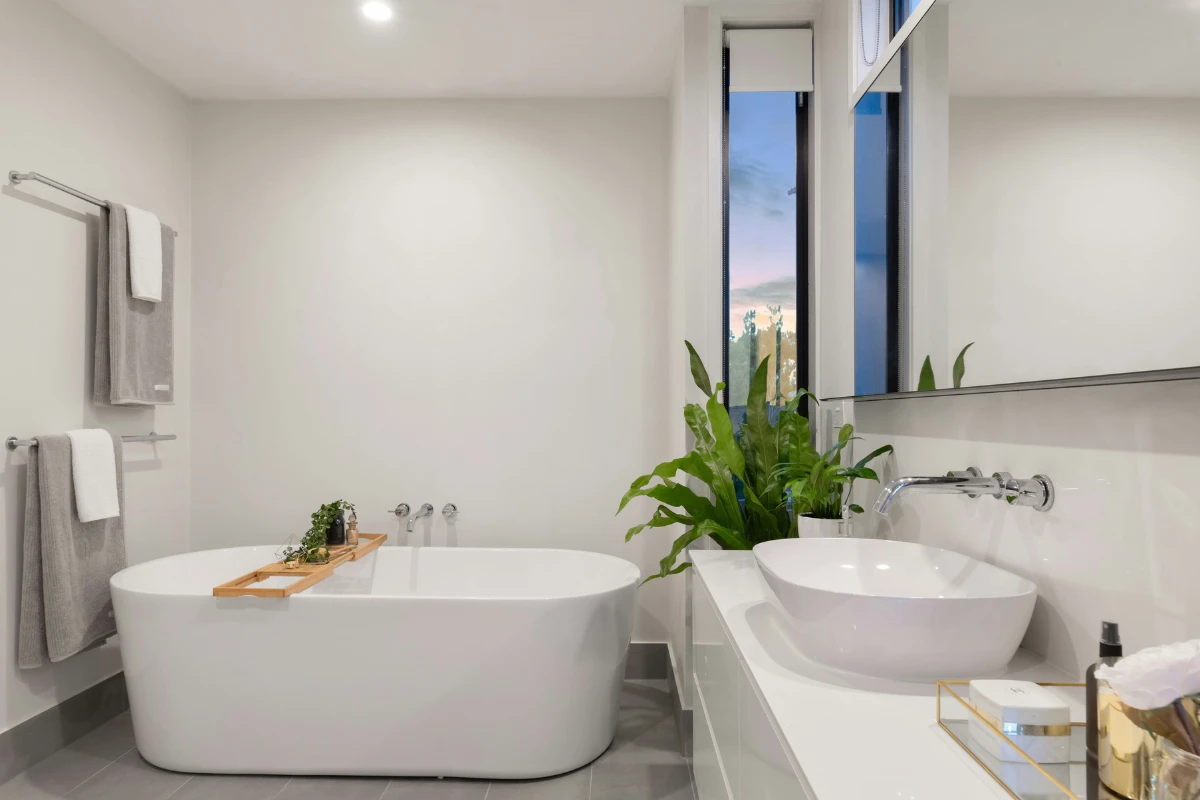
Our take: heated floors and good ventilation are worth every dollar in Ontario; the statement tub is optional. A full bathroom runs about $20,000 to $38,000 or more. See our bathroom renovation cost guide.
6.Flexible, multi-use basements
With hybrid work settled in and space at a premium, basements are being designed to do several jobs: a home office during the week, a gym or media room on evenings, and a guest or income suite when needed. The smart approach is to design for one primary use and rough in the wiring and plumbing for the rest, so the space can evolve without another full renovation.
Our take: a finished basement runs about $35,000 to $90,000, and a legal suite more. If income is even a maybe, build to code from the start. Details in our basement renovation cost guide.
7.Warm minimalism and the colour shift
For years, cool grey and stark white were the safe, resale-friendly default. In 2026 they read as flat. The shift is toward warm minimalism: clean lines softened by warm neutrals, earthy tones and natural texture, with deeper greens and teals appearing as accents. Trend forecaster WGSN named a transformative teal its colour of the year, and you can see that move playing out in Ontario kitchens and living rooms.
Our take: this is the cheapest way to modernize a home, roughly $3,000 to $15,000 for paint, hardware and a few finishes. Start there before committing to anything structural.
8.Discreet smart and safety tech
Smart home features are now expected rather than special, but the 2026 emphasis is on tech that disappears into the design and earns its keep. In Ontario, the most practical additions are not entertainment gadgets but protection: smart thermostats for winter energy management, plus water-leak detectors, freeze sensors and sump-pump alarms that head off a flooded basement during a thaw or a deep freeze.
Our take: leak and freeze sensors are cheap insurance, often $500 to $5,000 for a sensible setup, and they pay for themselves the first time they prevent a claim. The City of Toronto's basement flooding protection subsidy, worth up to $6,650 per property, can also offset related work.
9.Natural, durable materials
Biophilic design, the idea of bringing nature indoors, has matured from a buzzword into a materials strategy. Homeowners are choosing wood, stone, plaster and low-VOC finishes not only for how they look but for how they age and perform. In a home that is closed up and heated for half the year, low-emission, durable materials also mean better indoor air quality, which is a genuine Ontario consideration.
Our take: these choices rarely add a separate line to the budget; they are about where you direct the spend you already have. Favour materials that wear well over trend-driven finishes you will replace in five years.
10.Four-season outdoor living
At the higher end, the line between inside and out keeps blurring: covered and heated lounge areas, three-season rooms, and outdoor kitchens that stretch our short patio season into spring and fall. For Ontario, the appeal is obvious, since any extra usable space that survives the weather is valuable.
Our take: this is a lifestyle upgrade more than a resale play, and additions run roughly $250 to $450 per square foot. Do it because you will live in it, not because you expect to sell it.
What is fading in 2026
A credible trends list says what is on the way out too. This year, expect to see less of:
- All-grey everything. The cool, monochrome palette now feels dated next to warmer schemes.
- Open concept for its own sake. Removing every wall is giving way to zoned, semi-open layouts that keep some privacy and function.
- Fast-fashion finishes. Cheap materials chosen to look good in photos are losing to choices that age well.
- Cosmetic-only flips. Buyers increasingly look past surface updates to the systems behind the walls.
- The default full gut. Tearing everything out is now a deliberate choice, not the automatic starting point.
How to decide which trends are worth it
Trends are only useful if they fit your home, your budget and how long you plan to stay. A simple way to sort them:
- Lead with value. If you may sell within a few years, prioritize kitchens, bathrooms and a legal suite, which return the most.
- Claim the money on the table. Do the energy assessment and bank the rebates before booking any eligible work.
- Phase it. Set the full plan, then stage the work so each phase connects and your budget breathes.
- Spend where you live. Comfort upgrades like heated floors and good ventilation earn their keep daily, even if they never show up in an appraisal.
- Get a real number first. Price your scope before you fall for a finish.
Ready to price a 2026 project?
Tell us what you are planning and we will connect you with vetted GTA pros. Free, with no obligation to hire.
Ontario renovation trends FAQs
What are the biggest home renovation trends in Ontario for 2026?
Can you really add a basement or garden suite in Ontario now?
What renovation rebates are available in Ontario in 2026?
Which renovations add the most value in 2026?
Are open-concept layouts still in style?
Is it better to renovate in phases?
Are these trends a recommendation to spend?
Plan your 2026 renovation
Sources
This report draws on public information from the Government of Ontario (More Homes Built Faster), Save on Energy (Home Renovation Savings Program) and Statistics Canada (Building Construction Price Index), with renovation return figures from the Appraisal Institute of Canada and program details from the City of Toronto. Links to the primary sources appear in the relevant sections above.
About RenoRevamp
RenoRevamp is an independent renovation-planning resource for Greater Toronto Area homeowners. We publish GTA-specific guidance grounded in public data and current market pricing, and we are not a contractor. Figures are 2026 planning ranges, not a quote. Questions or a correction? Email info@renorevamp.com.