
Home Renovation Cost in Toronto: The Real 2026 Guide
What a home renovation actually costs across Toronto and the GTA this year, by square foot, by home size and room by room, plus the permits, hidden costs, rebates and return on investment that decide your real number. Independent and plain-spoken, because we are not a contractor.
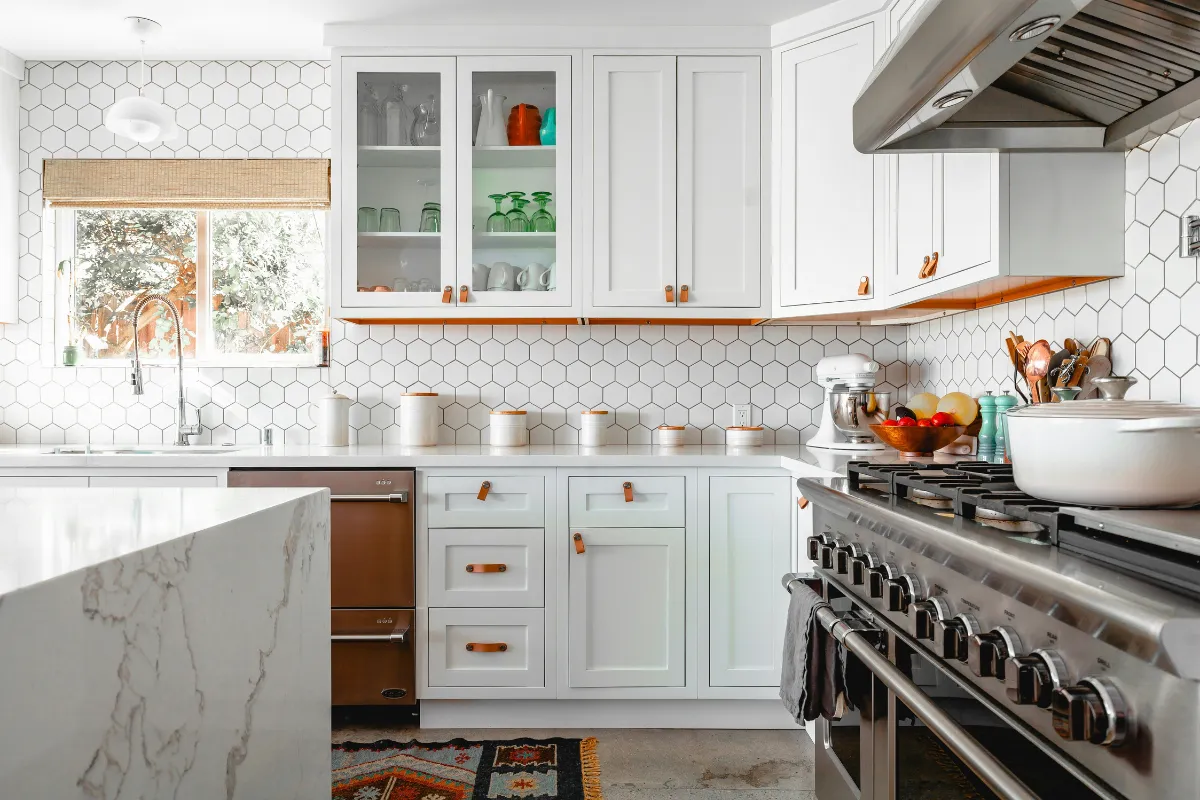
For a typical 2,000 square foot home, that works out to roughly $200,000 to $600,000 for a mid-range to high-end interior remodel. Cosmetic refreshes start near $60 per square foot, while a full gut of an older home can pass $400. Toronto runs about 15 percent above the national average.
No single number answers this question, because a home renovation is really many projects at once. A coat of paint and new floors is one thing; a full gut with new wiring, plumbing, a kitchen and two bathrooms is another entirely. The honest way to plan is to start with cost per square foot, narrow it by your home size, then add up the rooms. This guide does exactly that with real 2026 GTA pricing, and links to our detailed cost guide for each major room.
RenoRevamp is an independent renovation resource for Greater Toronto Area homeowners. We do not sell renovations, so the numbers here are not a quote and there is no pitch attached. For deeper detail, see our full GTA renovation pricing guide and our room-by-room guides for kitchens, bathrooms and basements.
Key takeaways
- Home renovations in Toronto run $100 to $400 per square foot in 2026, by scope and finish.
- A full 2,000 square foot interior remodel typically costs $200,000 to $600,000; a gut runs higher.
- Labour is 40 to 50 percent of the budget, with a general contractor adding markup and a management fee.
- Renovating is usually 20 to 40 percent cheaper than building new.
- Kitchens, bathrooms and a basement suite deliver the highest return on investment.
Home renovation cost per square foot
Cost per square foot is the most useful starting point, because it scales to any home. The figure depends almost entirely on how deep the work goes. These are 2026 GTA ranges, including labour, materials and standard finishes.
Use it as a starting point, not a budgetPer-square-foot figures are great for a first estimate, but the age and condition of your home, the finishes you choose, and any structural work can move the real number well beyond the average. A firm budget needs a defined scope.
Home renovation cost by home size
Applying those rates to a real home gives you a planning range. The figures below assume a mid-range to high-end interior remodel across the whole home. A cosmetic-only refresh sits well below these, and a luxury gut sits above.
| Home type | Size | Typical 2026 renovation cost |
|---|---|---|
| Condo | About 1,000 sq ft | $100,000 to $300,000 |
| Semi or townhouse | 1,200 to 1,500 sq ft | $150,000 to $400,000 |
| Detached | About 2,000 sq ft | $200,000 to $600,000 |
| Large detached / full gut | 2,500 sq ft and up | $500,000 to $1,500,000+ |
Structural additions are priced separately, typically $250 to $450 per square foot, and HST is on top of all of these figures.
Home renovation cost room by room
A whole-home renovation is the sum of its parts, and the kitchen and bathrooms almost always take the largest share. Here is what each major project costs in the GTA in 2026, with a link to our detailed guide for the big three.
| Project | Typical 2026 cost | Detailed guide |
|---|---|---|
| Kitchen | $30,000 to $90,000 | Kitchen cost guide |
| Bathroom | $20,000 to $62,000+ | Bathroom cost guide |
| Basement (finished) | $35,000 to $90,000 | Basement cost guide |
| Basement (legal suite) | $90,000 to $160,000+ | Basement cost guide |
| Flooring (whole home) | $10,000 to $30,000 | Pricing guide |
| Main floor / open concept | $40,000 to $120,000 | Pricing guide |
| Home addition | $250 to $450 / sq ft | Pricing guide |
Want a number for your home?
Our free estimator gives a realistic GTA range in seconds, then connects you with vetted local pros if you want exact quotes.
Where the money actually goes
Across a whole-home renovation, the budget splits between the rooms you see and the systems you do not. For a typical mid-range project, it breaks down roughly like this.
It also helps to see the budget a second way, by who gets paid:
Materials are your finishes and fixtures, where your choices swing the total most. Labour is 40 to 50 percent of the budget, with GTA trades billing roughly $60 to $100 an hour or more. A general contractor typically marks up subtrades 15 to 20 percent and charges a project management fee of 10 to 15 percent to run the whole job.
Cosmetic refresh vs full gut
The single biggest driver of your number is how deep you go, so it helps to know where your project sits on the spectrum.
- Cosmetic refresh: paint, flooring, light fixtures and minor updates, with no walls or systems touched. The fastest and cheapest tier.
- Mid-range remodel: new kitchen and bathrooms, new flooring, some layout tweaks, updated lighting. The most common whole-home scope.
- Full gut: back to the studs, with new electrical, plumbing, HVAC, insulation, windows and a new layout. The most expensive and the longest, but the chance to fix everything at once.
In older Toronto homes, a gut is often the honest choice. Once walls are open for new wiring or plumbing, finishing around them piecemeal can cost more over time than doing it properly in one pass.
Renovating a condo in Toronto
Condo renovations cost in the same $100 to $300 per square foot range, but they carry extra costs a detached home does not. Boards require an approval package with contractor insurance certificates (often $2 million or more in liability plus WSIB clearance), drawings, and a refundable damage deposit of $1,000 to $5,000. Elevator bookings run $200 to $500 a day, and restricted work hours can stretch the schedule. Budget $2,000 to $10,000 in these soft costs before construction even starts, and ask any contractor to price them explicitly.
Do you need a permit for a home renovation?
It depends on the work, not the room. Cosmetic updates do not need a permit, but structure and systems do.
- Permit usually needed: removing or moving walls (especially load-bearing), new or moved plumbing or electrical, HVAC changes, additions, new bedrooms, and any secondary suite.
- Permit usually not needed: painting, flooring, cabinet refacing, and like-for-like fixture swaps with no wiring or plumbing changes.
Toronto permit fees scale with construction value and start around $1,000 for smaller projects, with designer drawings on top. As of February 2026, applications are submitted digitally through the City's ePlans portal. Ontario also updated its secondary suite rules in 2025, making basement apartments easier to permit. Confirm what your project needs on the City of Toronto Building Permits page. Unpermitted work can stall a sale and void insurance.
Hidden costs people forget
On a whole-home project these add up quickly, and most are missing from a first quote.
- Older-home surprises: knob-and-tube wiring, galvanized plumbing, asbestos or structural issues can add 15 to 20 percent once walls open up.
- Temporary relocation: a full gut usually means renting elsewhere for the duration.
- HST: 13 percent on labour and materials.
- Condo soft costs: approvals, deposits and elevator fees.
- Contingency: hold back 15 to 20 percent on a whole-home renovation. It is not optional in an older home.
Spending the entire budget on the visible scope and leaving nothing for what is behind the walls. The bigger the project, the bigger the contingency needs to be.
What is happening to prices in 2026
Costs rose sharply through 2021 and 2022, then settled into a steadier climb. Statistics Canada reported residential construction costs up about 3 percent year over year through 2025, and Toronto labour runs roughly 15 percent above the national average. Skilled-trades shortages and the 2025 Canadian counter-tariffs on steel, aluminum and imported materials continue to push prices up, which matters most on a whole-home job where every trade is involved.
Source: Statistics Canada, Building Construction Price Index, Q4 2025. The practical takeaway: do not wait for prices to fall, because the data does not support a dip. Lock your scope and quote instead.
Renovate, rebuild or move?
For most Toronto homeowners, renovating is the cheaper path. A major renovation at $150 to $250 per square foot compares favourably to new construction at $250 to $400 or more, so renovating typically runs 20 to 40 percent less than building new, especially once land is factored in. It often beats moving too, once you count land transfer tax (paid twice in Toronto), agent commissions and the cost of buying back the same square footage at today's prices. The case for moving is strongest when the home's location or footprint simply cannot meet your needs.
Which renovations add the most value?
Not all spending returns equally. The Appraisal Institute of Canada consistently ranks kitchens and bathrooms at the top, recovering roughly 75 to 100 percent of their cost at resale, with a finished basement around 70 to 75 percent and a legal secondary suite often recovering its full cost over time through rent. Energy-efficiency upgrades add comfort and may qualify for rebates, improving the effective return beyond resale alone.
If you are prioritizing, our room guides break down the returns and the trade-offs for each: the kitchen, the bathroom and the basement. The one rule that holds across all of them: do not over-improve for the neighbourhood. A good ceiling is total renovation spend near 10 to 15 percent of your home's value, unless income from a suite changes the math.
Return figures reflect Appraisal Institute of Canada guidance, summarized by CIBC and National Bank.
Rebates and financing that lower the cost
Several current programs can offset part of a Toronto renovation, especially the energy-related work.
- Ontario Home Renovation Savings Program: delivered by Save on Energy and Enbridge Gas with provincial support, it offers rebates from $100 to over $12,000 for insulation, windows and doors, air sealing, heat pumps and more, and is confirmed through November 2026. See the official Save on Energy program page.
- City of Toronto Basement Flooding Protection Subsidy: up to $6,650 per property for flood protection such as a backwater valve and sump pump. See the City of Toronto subsidy page.
- City of Toronto Home Energy Loan Program (HELP): a low-interest, city-backed loan to finance energy retrofits.
- Multigenerational Home Renovation Tax Credit: a federal credit worth 15 percent on up to $50,000 of eligible costs, for creating a secondary suite for a senior or an adult with a disability.
- HELOC, refinancing or Purchase Plus Improvements are common ways to fund a larger renovation.
For the bundled energy rebates, the assessment has to happen before you start the work. Doing eligible upgrades in the wrong order is the most common reason a rebate gets rejected, so check the program rules before you book trades.
How to budget your home renovation
- Define the scope honestly: cosmetic, mid-range or full gut. It drives every other number.
- Estimate with cost per square foot, then refine room by room using the guides above.
- Set your number and hold back 15 to 20 percent as contingency from day one.
- Get a pre-construction assessment in an older home, so you know what is behind the walls.
- Get at least three quotes on the same written scope, and confirm insurance, WSIB and a warranty.
- Plan for HST, any relocation, and the rebates you can claim before signing.
Ready for real quotes?
Tell us about your project and we will connect you with vetted GTA pros. Free, with no obligation to hire.
Home renovation cost FAQs
How much does a full home renovation cost in Toronto?
How much does it cost to renovate a 2,000 sq ft house?
How much does it cost to renovate a condo in Toronto?
What is the most expensive part of a home renovation?
Is it cheaper to renovate or rebuild?
Do I need a permit for a home renovation in Toronto?
Which renovations add the most value?
Are these prices a quote?
Read the room-by-room guides
Sources
- City of Toronto, Building Permits (permits and secondary suites)
- Statistics Canada, Building Construction Price Index, Q4 2025 (cost trend)
- Save on Energy, Home Renovation Savings Program (Government of Ontario energy rebates)
- City of Toronto, Basement Flooding Protection Subsidy Program (up to $6,650)
- CIBC and National Bank (renovation ROI, citing the Appraisal Institute of Canada)
About RenoRevamp
RenoRevamp is an independent renovation-planning resource for Greater Toronto Area homeowners. We publish GTA-specific cost guides grounded in public data and current market pricing, and we are not a contractor. Figures are 2026 planning ranges, not a quote. Questions or a correction? Email info@renorevamp.com.