
Basement Renovation Cost in Toronto: The Real 2026 Guide
What a basement renovation actually costs across Toronto and the GTA this year, from a simple rec room to a legal income suite, broken down by project type and component, plus the moisture, ceiling height and permit issues that decide your real number. Independent and plain-spoken, because we are not a contractor.
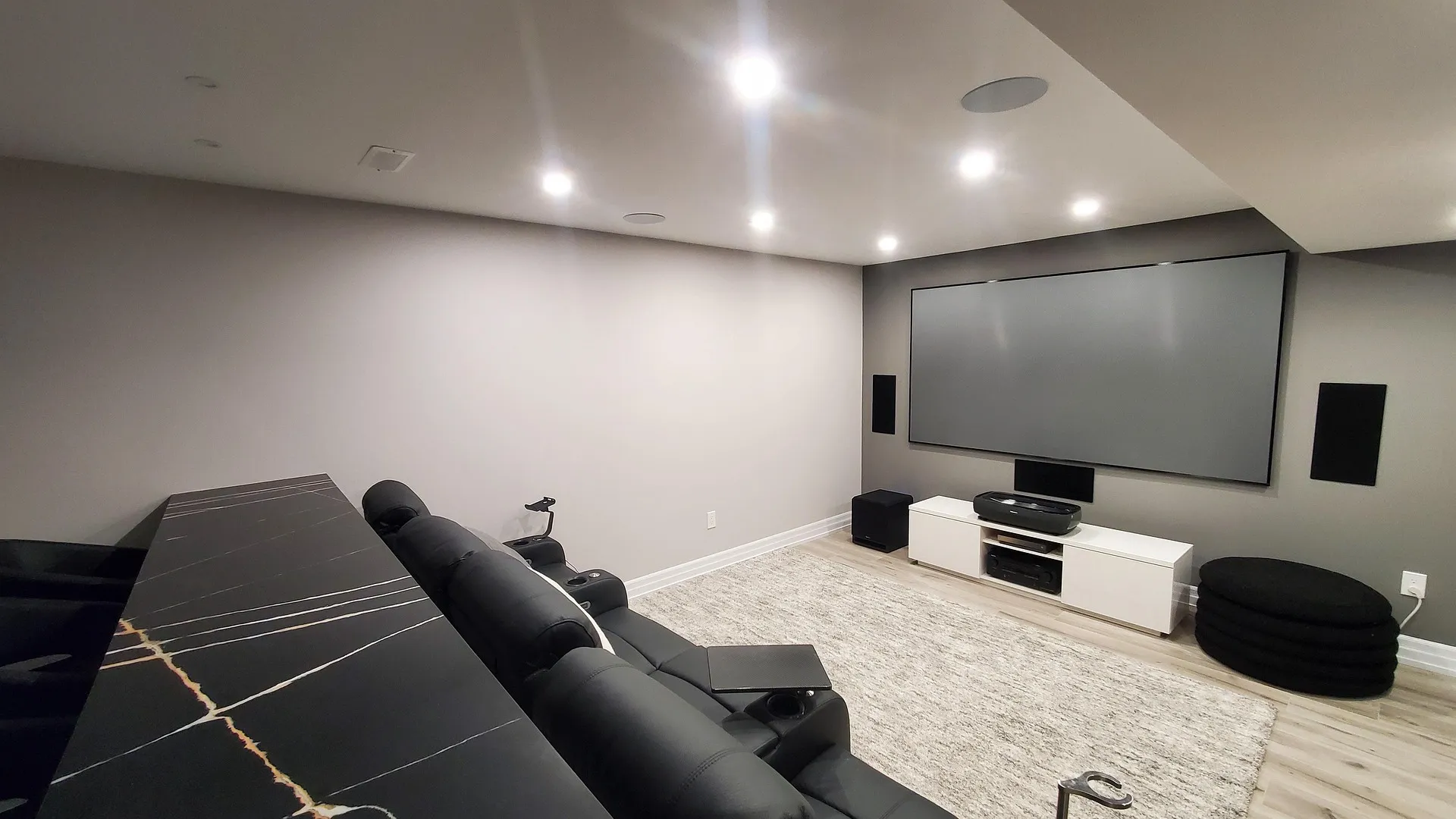
A basic open rec room starts near $35,000, a finished basement with a bathroom runs $55,000 to $90,000, and a legal basement apartment lands at $90,000 to $160,000 or more. Across the GTA that works out to roughly $35 to $140 per square foot, depending entirely on scope.
Basement quotes swing more than any other room, from $25,000 to over $160,000, and that is not a contractor being vague. A basement is the one space where the biggest costs are often hidden before you start: moisture in the ground, a ceiling that is too low for code, or no plumbing in the slab. Decide the scope first, fix what the building hides, and the number becomes predictable. This guide gives you real 2026 GTA prices by project type and component, and flags the three things that quietly decide your total.
RenoRevamp is an independent renovation resource for Greater Toronto Area homeowners. We do not sell renovations, so the numbers here are not a quote and there is no pitch attached. If you are budgeting more than one space, start with our home renovation cost guide for the big picture and our GTA renovation pricing guide for every project, alongside the kitchen and bathroom guides.
Key takeaways
- A finished basement in Toronto typically costs $35,000 to $90,000 in 2026; a legal apartment runs $90,000 to $160,000+.
- Site condition, not finish quality, is the biggest cost variable: moisture and ceiling height.
- Fix moisture first. The City of Toronto subsidises flood protection up to $6,650 per property.
- Low ceilings in older homes may need underpinning ($30,000 to $60,000) before any wall goes up.
- A legal secondary suite is the highest-return path, often recovering its cost in 5 to 7 years through rent.
How much does a basement renovation cost in Toronto?
For 2026, finishing a basement in Toronto and the GTA runs about $35 to $75 per square foot, climbing to $90 to $140 or more per square foot for a legal apartment. For most 800 to 1,200 square foot basements, that means a total of $35,000 to $90,000 for a finished space, and $90,000 to $160,000 or more for a permitted income suite. The clearest way to plan is by what the basement becomes.
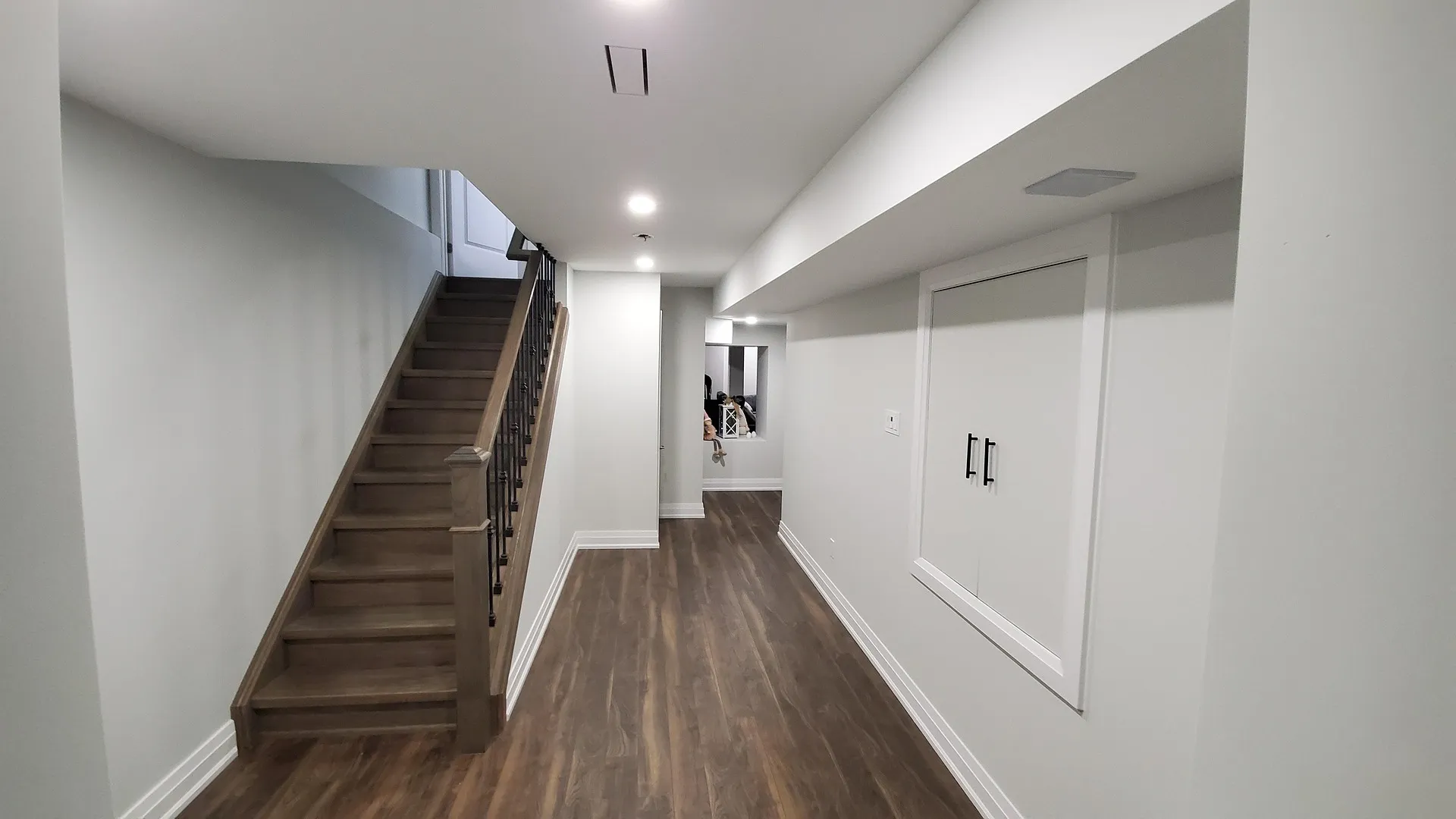
Basement renovation cost by project type
Scope drives the number far more than size. Adding a bathroom, a kitchen or a legal layout changes which trades are involved and how much concrete gets cut. Here is what common projects cost on a roughly 1,000 square foot basement in the GTA.
| Project | What it includes | Typical 2026 cost |
|---|---|---|
| Open rec room | Framing, insulation, drywall, flooring, lighting. No bathroom | $35,000 to $50,000 |
| Family room and a bathroom | Adds a 3-piece bathroom and plumbing rough-in | $55,000 to $75,000 |
| Bedroom, bathroom and office | Multiple rooms, egress, more trades | $65,000 to $85,000 |
| Legal basement apartment | Kitchen, separate entrance, fire separation, permits | $90,000 to $140,000 |
| Full reno with underpinning | Floor lowered to gain ceiling height | $100,000 to $160,000+ |
A note on per-square-foot pricingLarger basements often cost slightly less per square foot, because fixed costs like permits and design spread over more area. Use per-square-foot figures to sanity check a quote, not to build a budget.
Where the money actually goes
For a typical mid-range finished basement with a bathroom, the budget breaks down roughly like this. Labour leads, and the bathroom is the single biggest add-on.
| Component | Share of budget | Cost range (finished basement) |
|---|---|---|
| Labour and trades | 35 to 45% | $20,000 to $32,000 |
| Bathroom (rough-in, fixtures, tile) | adds | $15,000 to $35,000 |
| Framing, drywall and insulation | 15 to 20% | $8,000 to $16,000 |
| Flooring (LVP recommended) | 8 to 12% | $4,000 to $12,000 |
| Electrical and lighting | 6 to 10% | $3,000 to $8,000 |
| Waterproofing (if needed) | varies | $3,000 to $20,000 |
| Permits and design | 5 to 8% | $2,000 to $4,500 |
| Underpinning (low ceilings) | if needed | $30,000 to $60,000 |
Want a number for your basement?
Our free estimator gives a realistic GTA range in seconds, then connects you with vetted local pros if you want exact quotes.
Line-item costs, piece by piece
Here is what the individual elements of a Toronto basement tend to cost in 2026, based on current market rates.
- Framing: $15 to $30 per linear foot of wall, including labour and materials.
- Drywall: about $1.50 per square foot installed, more for mould-resistant or soundproof board.
- Insulation: $2 to $4 per square foot.
- Ceiling: $3 to $7 per square foot, depending on drywall versus a drop ceiling.
- Flooring: luxury vinyl plank $4 to $12 per square foot installed, engineered hardwood $10 to $18, tile $12 to $25.
- Bathroom (3-piece): $15,000 to $35,000, since drains usually mean breaking and re-pouring concrete.
- Plumbing rough-in: priced by fixture, from about $1,500 to $15,000 depending on the layout.
- Electrical and lighting: a basic package is built into most quotes; a home theatre, kitchenette circuits or a new panel add $3,000 to $8,000.
- Egress window: required for a legal bedroom or suite, and it means cutting the foundation wall.
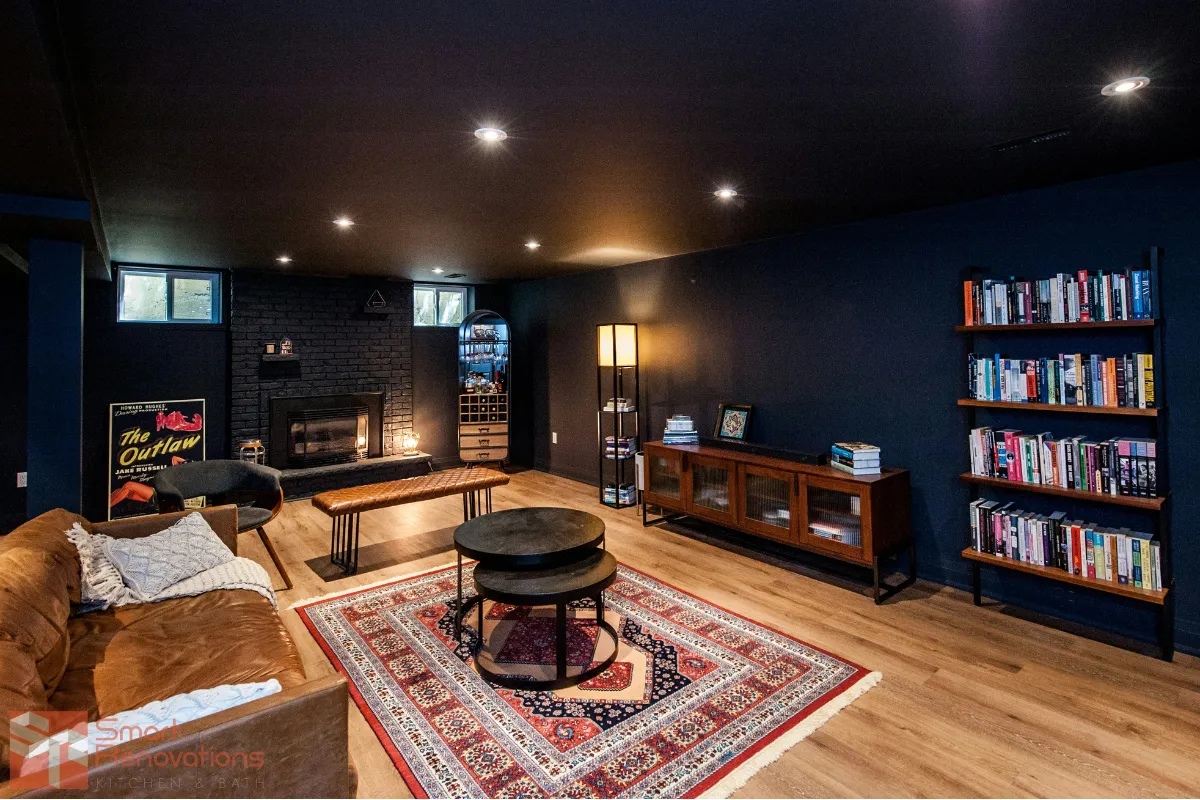
Waterproofing and moisture: do this first
This is the single largest cost variable in a Toronto basement, and it has nothing to do with finishes. Much of the city sits on clay-heavy soil, and homes built before the 1970s commonly show seepage or high humidity. Finishing over a damp basement traps moisture behind new walls, where it breeds mould and rots framing. The fix has to happen before a single stud goes up.
Interior solutions such as a drainage system, sump pump and sealing typically cost $3,000 to $10,000. Exterior waterproofing, which means excavating around the foundation, runs $10,000 to $35,000. Replacing weeping tile or adding full interior drainage often lands at $5,000 to $20,000.
The City of Toronto's Basement Flooding Protection Subsidy Program covers up to $6,650 per property, at 80 percent of the invoiced cost, for a backwater valve, sump pump, weeping-tile disconnection and a home plumbing assessment. Work must be done by a licensed City contractor. Details and the application are on the City of Toronto subsidy page.
Finish a damp basement and you will finish it twice. Moisture is the first line of the budget, not the last.
Ceiling height and underpinning
Many pre-1970 Toronto homes, common across the Annex, Cabbagetown and Forest Hill, have basement ceilings below seven feet. A finished basement needs to meet a minimum height to be legal and to feel livable, and a legal apartment has stricter requirements. The fix is underpinning, which lowers the floor by excavating beneath the foundation, or benching, which is cheaper but eats into floor space.
Underpinning adds roughly $30,000 to $60,000 before any wall goes up. This is exactly the kind of cost you want to discover at the planning stage, not mid-build, so measure your ceiling height and get a structural opinion before you fall in love with a design.
The legal basement apartment: the highest-return path
If your goal is income or long-term value, a legal secondary suite is usually the strongest move a basement can make. It is also the most regulated. A compliant suite needs a separate entrance, egress windows in bedrooms, fire separation (fire-rated drywall and interconnected smoke and carbon monoxide alarms), an independent HVAC arrangement, a full kitchen and bathroom, minimum ceiling height, and permits with inspections for building, plumbing, electrical and HVAC. Some properties also need zoning approval. Our companion guide to legal basement apartment requirements in Ontario walks through every rule, from egress windows to fire separation and the financing that helps pay for it.
That work pushes a basement into the $90,000 to $160,000 range, but it changes the maths. A compliant suite in a central GTA neighbourhood rents in the range of $1,500 to $2,600 a month, which means many owners recover the full construction cost within five to seven years, then keep the income and the added resale value. Confirm current requirements for additional residential units on the City of Toronto site before you design.
Do you need a permit for a basement renovation?
Almost always, yes, once you are creating finished living space. A building permit is required for framing, electrical, plumbing or HVAC work, and for any new bedroom, bathroom, kitchen or structural change.
- Permit usually needed: framing new rooms, new electrical circuits, any plumbing, HVAC changes, egress windows, or a secondary suite.
- Permit usually not needed: painting or swapping flooring and light fixtures in an already finished, legal space, with no wiring changes.
All-in permit costs, including the required designer drawings, typically run $2,000 to $4,500 for a standard basement. As of February 2026, applications are submitted digitally through the City's ePlans portal. Confirm what your project needs on the City of Toronto Building Permits page. Skipping permits can mean fines, forced removal of finished work, and a denied insurance claim.
The best flooring for a Toronto basement
Concrete slabs pass cold and moisture upward, which rules out solid hardwood and standard carpet in most basements. For 2026, luxury vinyl plank with an SPC core is the go-to: fully waterproof, comfortable over concrete, and priced around $4 to $12 per square foot installed. Porcelain tile is a strong second choice for a basement bathroom or laundry. Whatever you choose, it sits on top of proper moisture control, never instead of it.
Hidden costs people forget
These are the items that separate a clean budget from a stressful one. In a basement, most of them live underground or behind the walls.
- Moisture remediation: $3,000 to $20,000 to make the space dry before finishing.
- Underpinning: $30,000 to $60,000 if ceilings are below code height.
- No existing drains: a bathroom or kitchen with no rough-in may need concrete cutting and a sewage ejector pump.
- Older-home surprises: knob-and-tube wiring, asbestos or a panel upgrade once walls open up.
- HST and contingency: 13 percent tax, plus a 10 to 15 percent contingency that is effectively mandatory in older homes.
What is happening to prices in 2026
Renovation costs rose sharply through 2021 and 2022, then settled into a steadier climb. Statistics Canada reported residential construction costs up about 3 percent year over year through 2025, and GTA labour runs above the national average. Skilled-trades shortages and the 2025 Canadian counter-tariffs on steel, aluminium and imported materials are keeping pressure on basement costs in particular, since framing, drywall and mechanical work are material-heavy.
Source: Statistics Canada, Building Construction Price Index, Q4 2025. The practical takeaway: do not wait for prices to fall, because the data does not support a dip. Lock your scope and quote instead.
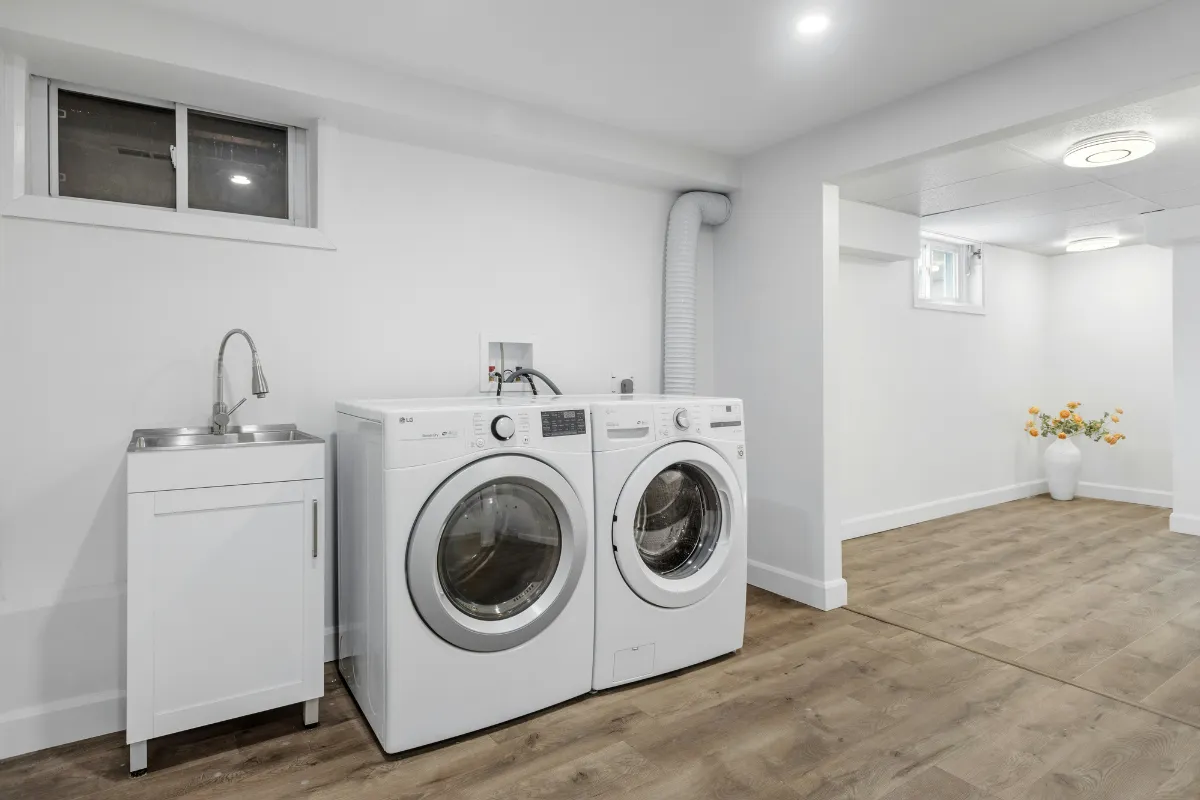
Is a basement renovation worth it?
For most homeowners, yes, and it is often the cheapest way to add livable square footage compared with an addition or moving. A finished basement typically returns 70 to 75 percent of its cost in added resale value, so a $75,000 renovation tends to add roughly $52,000 to $56,000 to the appraised value. A legal secondary suite goes further: the rental income usually recovers the full construction cost within five to seven years, on top of the value it adds.
The caution is the same as any room. Do not over-improve for the neighbourhood, and keep total renovation spend near 10 to 15 percent of your home's value unless the income from a suite changes the equation.
Return figures reflect Appraisal Institute of Canada guidance, summarised by CIBC and National Bank.
How to save without cutting corners
- Get the space dry first, and claim the City subsidy. Skipping moisture work is the most expensive saving you can make.
- Stay open-concept where you can. Fewer walls means less framing, drywall and trade time.
- Choose luxury vinyl plank over hardwood for a basement, for both cost and moisture performance.
- Bundle into one turnkey scope rather than hiring trades piecemeal.
- Do the soft work yourself, such as demolition, painting and cleanup.
- Never skip waterproofing or permits. Both cost far more to fix after the fact.
How to budget your basement renovation
- Decide the scope first: rec room, family space with a bathroom, or a legal income suite.
- Get the ceiling height and moisture condition assessed before you design anything.
- Set your number, then hold back 15 percent as contingency from day one.
- Get at least three quotes on the same written scope, so you compare like for like.
- Confirm insurance, WSIB, permits and a written warranty before you sign.
- Plan for HST and the hidden costs above so the final number holds no surprises.
Ready for real quotes?
Tell us about your basement and we will connect you with vetted GTA pros. Free, with no obligation to hire.
Basement renovation cost FAQs
How much does it cost to finish a basement in Toronto?
How much does a legal basement apartment cost in Toronto?
Do I need a permit to finish my basement?
Why is waterproofing so important in a basement?
What is underpinning and do I need it?
Is finishing a basement worth it?
How long does a basement renovation take?
Are these prices a quote?
Keep planning
Sources
- City of Toronto, Building Permits (permits and additional residential units)
- City of Toronto, Basement Flooding Protection Subsidy Program (up to $6,650 per property)
- Statistics Canada, Building Construction Price Index, Q4 2025 (cost trend)
- CIBC and National Bank (renovation ROI, citing the Appraisal Institute of Canada)
About RenoRevamp
RenoRevamp is an independent renovation-planning resource for Greater Toronto Area homeowners. We publish GTA-specific cost guides grounded in public data and current market pricing, and we are not a contractor. Figures are 2026 planning ranges, not a quote. Questions or a correction? Email info@renorevamp.com.